Punarnirman-May
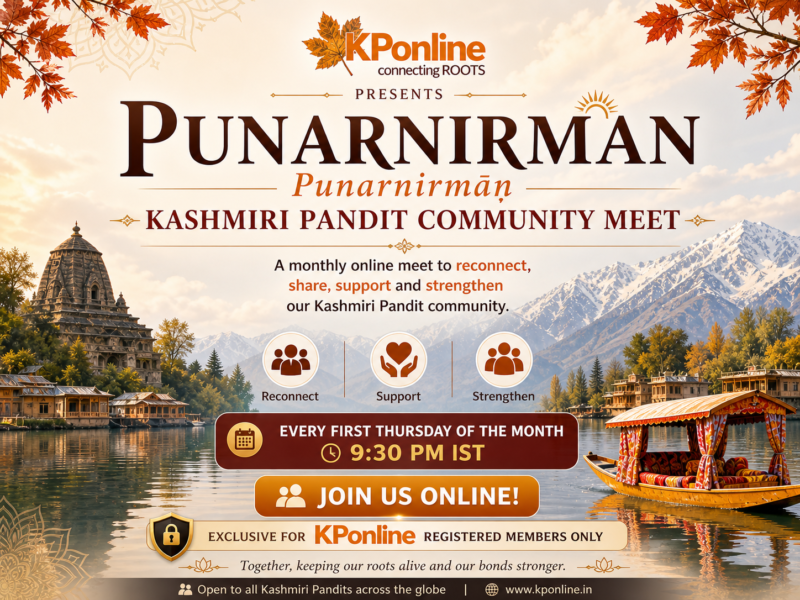
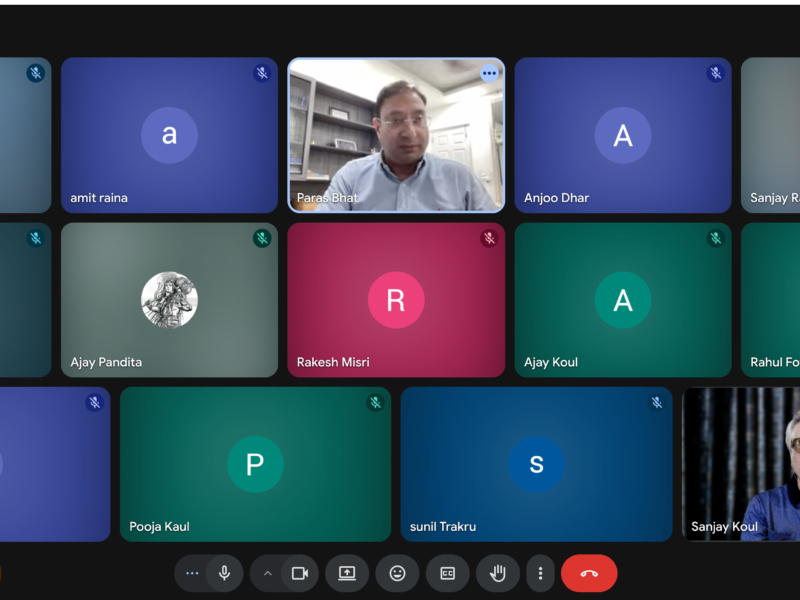
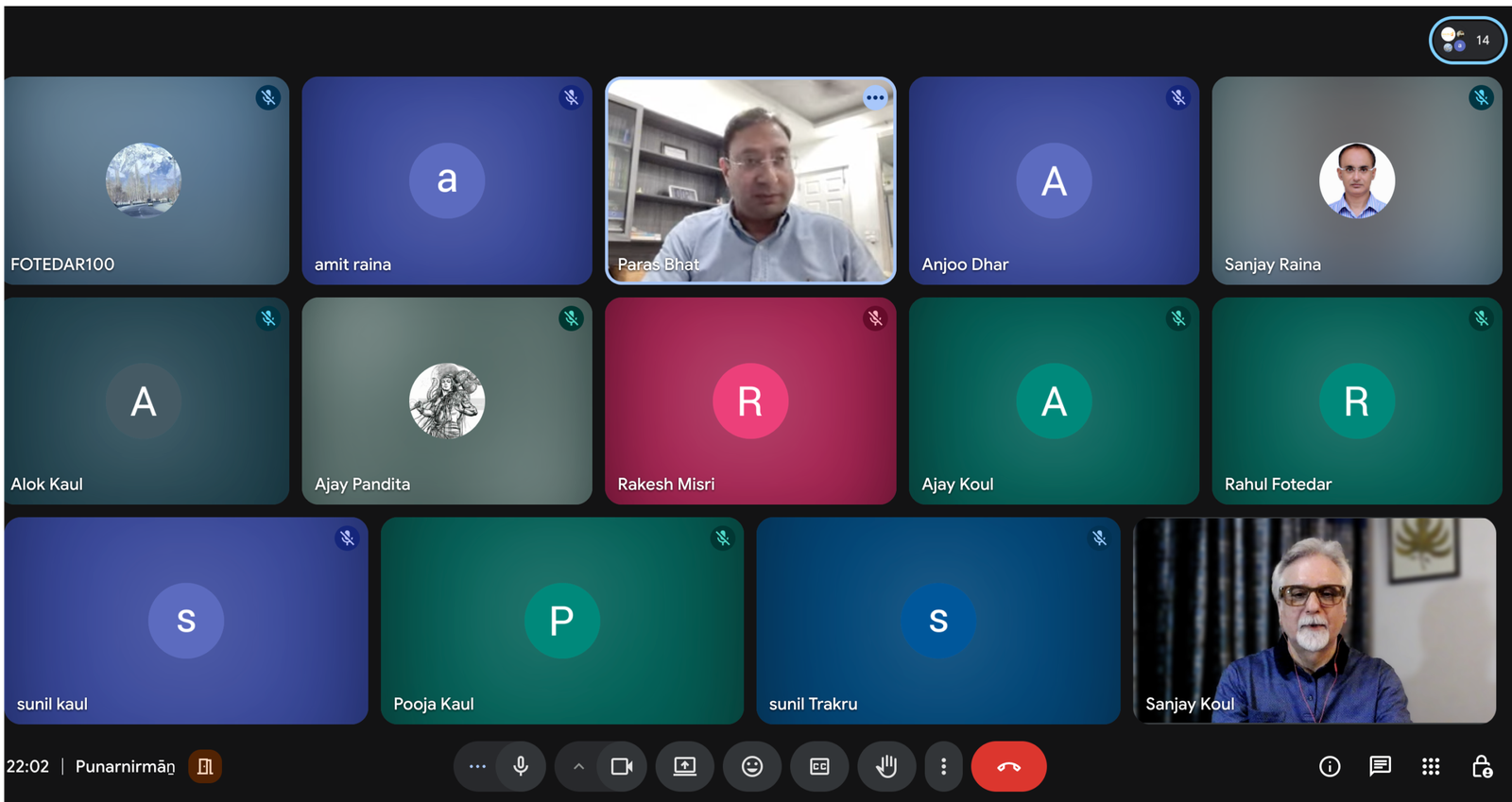
🌟 A first-of-its-kind initiative for the community by KPonline
Together, reconnecting our roots and strengthening our future.
What is Osteoporosis?
Osteoporosis is a medical condition in which bones become weak, brittle, and more likely to fracture. It develops gradually when the body loses too much bone mass or makes too little new bone. Common fracture sites include the spine, hips, and wrists. Often called a “silent disease,” osteoporosis may not show symptoms until a fracture occurs.
Who is at Risk?
People at higher risk include:
• Women after menopause due to reduced estrogen levels
• Elderly individuals, especially above 60 years
• People with a family history of osteoporosis or fractures
• Individuals with low calcium or Vitamin D intake
• Smokers and excessive alcohol consumers
• People with sedentary lifestyles and lack of exercise
• Individuals on long-term steroid medications
• Patients suffering from hormonal disorders, arthritis, thyroid disease, or chronic kidney disease
Preventive Measures
Bone health can be protected through healthy lifestyle choices:
• Adequate intake of calcium-rich foods like milk, curd, cheese, sesame, almonds, and green vegetables
• Regular exposure to sunlight for natural Vitamin D
• Weight-bearing exercises such as walking, jogging, yoga, and strength training
• Avoid smoking and excessive alcohol consumption
• Maintain healthy body weight and active lifestyle
• Regular bone density screening, especially after menopause or after age 60
• Prevent falls at home by improving balance, posture, and safety measures
Medical Treatment
Treatment depends on the severity of bone loss and fracture risk. Common medical approaches include:
• Calcium and Vitamin D supplementation
• Medications that slow bone loss and improve bone strength
• Hormonal therapy in selected patients
• Regular monitoring through bone density tests
• Physiotherapy and rehabilitation to improve mobility and prevent fractures
• Lifestyle modification along with long-term medical follow-up
Early diagnosis and timely treatment can significantly reduce the risk of fractures and help maintain an active, independent life.
Reach out : Dr Paras Bhat is based in Noida and can be reached out on +91 98731 38230