Culture Good Read

Threads of Resilience

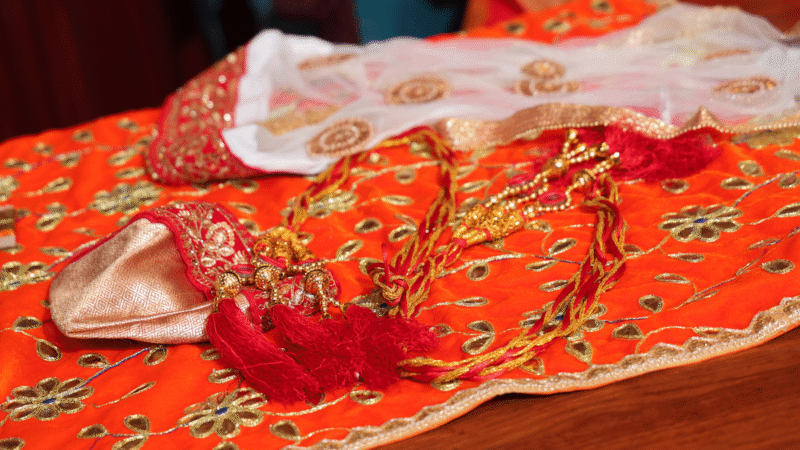
Threads of Resilience: The Global Revival of the Pheran and Taranga For the global Kashmiri Pandit diaspora, clothing is no longer just about fashion—it has become a canvas of memory, identity, and quiet resistance against assimilation. Decades after the forced exile of 1990, a powerful cultural renaissance is taking over our social media feeds and wedding halls. The younger generation of Pandits is fiercely reclaiming two of our most iconic traditional vestments: the Pheran and the Taranga. What was once standard daily wear in the cold winters of Varmul, Anantnag, and Srinagar has evolved into a global statement of ethno-religious pride. Decoding the Silhouette: More Than Just Fabric To understand the revival, one must understand the deep-rooted history stitched into these garments: A Legacy Packaged in a Suitcase Following the mass displacement of 1990, families fled with little more than the clothes on their backs. In the scorching heat of transit camps in Jammu and Delhi, the heavy woollen Pheran was tucked away, replaced by standard sarees and western wear to blend into new environments. For years, the complex art of tying the Taranga risked becoming a dying skill, kept alive only in the fading memories of our elders. Today, the perspective has shifted. The diaspora youth look at these garments not as outdated relics, but as portable pieces of a lost homeland. Preserving them has become an act of keeping a fractured culture explicitly alive. From Wedding Rituals to Instagram Reels The revival is being heavily driven by the digital age. Modern Pandit brides are rejecting standard bridal veils, demanding the traditional Taranga for their weddings. Millennial and Gen-Z creators are flooding Instagram and TikTok with step-by-step tutorials documenting the complex tying process, ensuring the skill is digitally archived for generations to come. Simultaneously, the Pheran is undergoing a contemporary makeover. Modern designers are shortening the hemline, tapering the sleeves, and adding sleek, intricate Tilla (gold and silver thread) embroidery. It is no longer uncommon to see young Pandits pairing a stylized Pheran with jeans or boots at global corporate offices, university campuses, and international cultural festivals. A Global Identity This movement reaches its peak every year on December 21 (International Pheran Day). Pandits from the US, UK, Australia, and India flood social media with photographs using hashtags like #PheranDay and #KashmiriPanditCulture. Paired with the iconic Dejhoor (traditional gold ear pendants), the complete ensemble serves as a visual declaration: We may be scattered, but our roots remain unbroken. The Pheran and Taranga revival proves that while geography can change, heritage cannot be easily erased. Every time a young Pandit slips on a Pheran or a bride crowns herself with a Taranga, they are weaving the threads of our past directly into our future. Help Us Build the KPOnline Archive! Do you have old family photographs of your grandmothers wearing the traditional Taranga in Kashmir? Or a modern Pheran design you’d love to showcase? Share your stories, photos, and thoughts with the community in the comments below! Let us know:

No Comments Read More
Good Read News

Return, Restore, Reconnect

Return, Restore, Reconnect: A New Chapter for Kashmiri Pandits in 2026 As we move through 2026, the Kashmiri Pandit community finds itself at a pivotal, yet poignant, crossroads. Thirty-six years after the forced exodus, the dialogue surrounding our community has shifted from mere recognition of suffering to active, tangible steps toward return and restoration. Reclaiming Our Roots: Progress on Property One of the most significant developments this year is the intensified focus on property, inheritance, and land mutation issues. Following the district-level camps held by the J&K administration between April 1 and April 28, 2026, numerous families have begun the process of reclaiming encroached properties. Reports indicate that over 3,700 kanals of land, encroached upon in 1990, are being reclaimed across several districts of the Valley. This represents a crucial victory for legal advocacy and a practical step toward restoring the physical connection to Kashyap Bhoomi. The Ongoing Quest for Secure Return While the reopening of temples and reclamation of land are welcomed, the community remains firm in its demand for a secure and dignified return. As articulated by political leaders, the return of displaced Kashmiri Pandits is not merely a political gesture but a humanitarian and ethical obligation. “Kashmir belongs to all communities, Hindus, Muslims, and Sikhs alike; that is what defines Kashmir,” stated Farooq Abdullah, emphasizing the urgent need to restore the composite culture of the valley. Addressing Contemporary Challenges The year 2026 also brings new challenges, particularly the ongoing discussions regarding the integration of relief rations into the National Food Security Act (NFSA) framework. Community organizations like ASKPC have urged the government to hold meaningful dialogue, ensuring that any policy changes do not undermine the unique, long-standing migrant status and rehabilitation rights of the community. The Way Forward: Purnarnirman As we navigate these complexities, the spirit of Purnarnirman (reconstruction, renewal, and resurgence) must guide us. As presented on KPonline’s platforms, it is time for professionals, youth, and elders to come together to: The path back to our homes is long, but in 2026, it is more active, visible, and determined than ever before. Stay connected, stay resilient.

No Comments Read More
Good Read

The Murder of Mahatma Gandhi

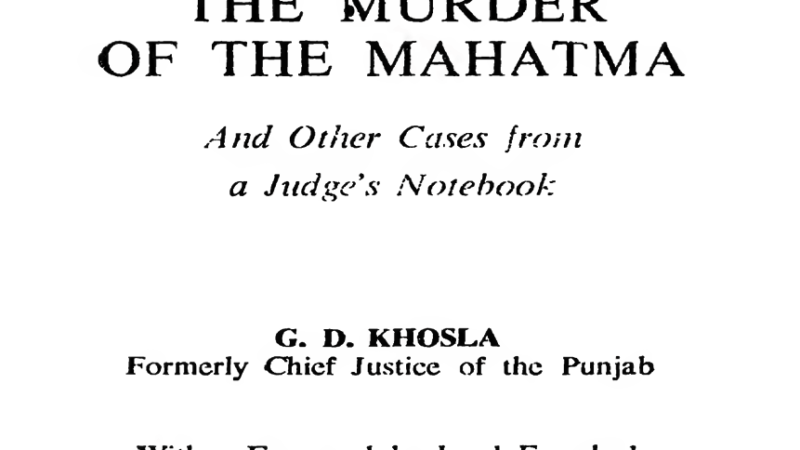
The Murder of Mahatma Gandhi — A Judicial Eye on a Nation’s Darkest Day The Murder of Mahatma Gandhi is a compelling and meticulously argued book by G. D. Khosla, a distinguished Indian judge and legal thinker. The book revisits the assassination of Mahatma Gandhi on 30 January 1948 in New Delhi, examining the crime through the lens of law, evidence, and historical responsibility. Rather than treating the tragedy as a single, isolated act, Khosla places it within the wider political and ideological tensions of post-Independence India. Drawing from court proceedings, testimonies, and documented records of the conspiracy, the book offers readers a grounded and analytical account of how the assassination unfolded and why it was able to happen. What Makes This Book Stand Out Why You Should Read It This book is not just about the murder of a leader — it is about the moral and political consequences of intolerance in a newly independent nation. For readers interested in modern Indian history, political violence, or landmark criminal cases, The Murder of Mahatma Gandhi offers a serious, thought-provoking account grounded in legal reasoning and historical evidence. Rather than treating the tragedy as a single, isolated act, Khosla places it within the wider political and ideological tensions of post-Independence India. Drawing from court proceedings, testimonies, and documented records of the conspiracy, the book offers readers a grounded and analytical account of how the assassination unfolded and why it was able to happen. What Makes This Book Stand Out Why You Should Read It This book is not just about the murder of a leader — it is about the moral and political consequences of intolerance in a newly independent nation. For readers interested in modern Indian history, political violence, or landmark criminal cases, The Murder of Mahatma Gandhi offers a serious, thought-provoking account grounded in legal reasoning and historical evidence. Whether you are a student, researcher, or general reader, this work remains a valuable reference for understanding one of the most traumatic moments in India’s modern history — and the lessons it continues to carry.

No Comments Read More
Culture Religious

Shivratri (Herath) Quiz

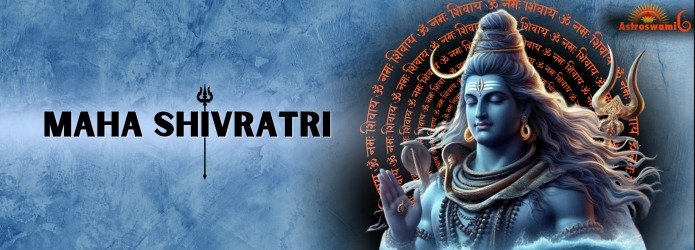
Shivratri (Herath): A Sacred Journey into Kashmiri Shaivism Herath, the Kashmiri Pandit observance of Maha Shivratri, stands as the pinnacle of religious devotion in the community’s calendar, embodying the profound Tantric theology of Kashmir Shaivism. Known as “Har-Ratri” or the Night of Hara (Lord Shiva), this festival transcends mere celebration to become a 15-day spiritual immersion culminating in the intricate Vatuk Puja—a ritual unique to Kashmiri tradition that invokes Shiva as the child-like Vatuka Bhairava alongside Parvati. The Religious Core of Herath
At its heart lies the Trika system of Kashmir Shaivism, where Shiva manifests as pure consciousness (Chit) and the universe as his dynamic Shakti. The Vatuk Puja room (Vatuk-Kuth) transforms the home into a cosmic mandala, with multiple Kalash pitchers symbolizing the divine wedding procession—Shiva’s pot filled with soaked walnuts representing the Vedas, flanked by Parvati and celestial baraatis (deities). This Tantric worship, guided by a priest yet performed by the family head, spans 3-4 hours of precise vidhi, from Jeévadán offerings to Doop-deep sequences, culminating in midnight prasad to break the sacred fast. Why This Knowledge Matters
This quiz delves exclusively into doctrinal depths: the symbolism of Jwala-linga on trayodashi, the 15-step Doop-deep Puja, and the metaphysical union of Shiva-Shakti that defines Kashmiri spiritual identity. Far beyond social customs, it equips youth with the religious literacy to preserve Trika heritage amid modern challenges—echoing your KPonline mission to foster Shaivite awareness.

No Comments Read More
error: Content is protected !!

Sign In

Register

Reset Password

Please enter your username or email address, you will receive a link to create a new password via email.