Culture Kashmiri Recipes

Paneer Kaliya – A Dish for Fasts & Feasts

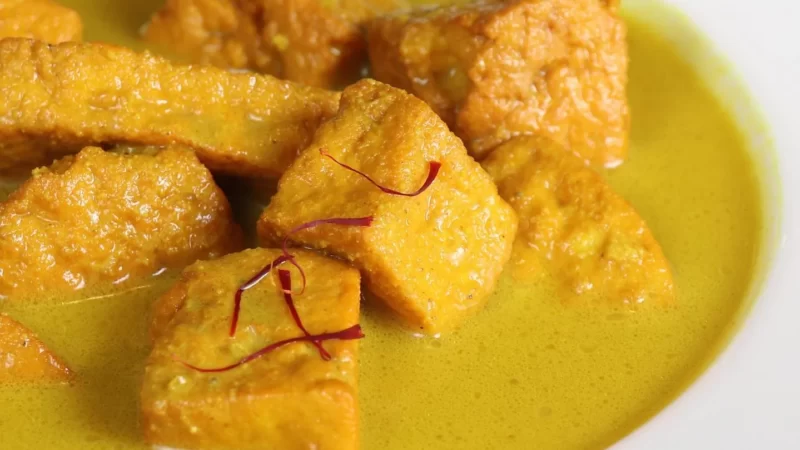
“Making Paneer Kaliya is an art,” says Nalini Sadhu. As the Chef/Curator at Matamaal Restaurant, Nalini has spent years perfecting every recipe on the menu and the Paneer Kaliya is no different. “While preparing Kaliya, instinct is everything. I rely heavily on my instincts because the aroma and colour of the gravy marks a great Kaliya,” she shares. Even though the dish doesn’t require an armoury of spices, it takes a while to perfect the recipe. For her, the mark of a great Kaliya is the sunny/golden yellow colour of the curry. “While following this recipe, keep a close eye on the colour and follow your instincts when it comes to timing and proportion of spices,” she says. Haldi (turmeric) is integral to auspicious occasions. It’s why Teher (yellow rice) is made on special days in a Kashmiri household. The key to a great Kaliya is turmeric. Nalini shares her dismay at browsing through pictures of dull Kaliya preparations and says, “I don’t know why people skimp out on turmeric while making Kaliya! The bright yellow colour is what makes the dish so stunning.” Tchaman (Paneer) Kaliya at Matamaal Restaurant, Gurgaon Despite being a much coveted dish at every feast, Paneer Kaliya is also a soothing balm for those who are unwell. Turmeric is well known for its anti-inflammatory and antioxidant properties, however the curry of a Kaliya is easy on the gut and light on oil and spices. Since Kashmiri cuisine doesn’t rely on onion, garlic and tomatoes, this recipe is a great way to spruce up your ‘vrat ka khana’ (fasting menu). Unlike the fiery red Dum Aloo and Roganjosh, Paneer Kaliya is a relatively lighter dish made regularly in a Kashmiri household—be it a fast or a feast. So, the next time someone tells you that Kashmiri cuisine is predominantly non-vegetarian, whip up this golden surprise to change their mind. Though this is a dish born out of experience and instincts, here’s Nalini Sadhu’s recipe for Paneer Kaliya from Matamaal’s kitchen: Ingredients Paneer (Cottage Cheese): 200 gramsSaunf (Fennel powder): 1 tablespoonSounth: Half teaspoonTurmeric powder: 1 teaspoonMustard oil: 2 tablespoonsHeeng: A pinchCloves: 2 podsGreen cardamom: 2 pods (slightly pounded)Black cardamom: 1 podBay leaves (Tej Patta): 2Garam masala: Half teaspoonMilk: Half cup ProcedurePart 1 Part 2 Pro tip: Make sure the paneer doesn’t stick to the pan/kadhai while frying. Nalini shares, “I don’t know the reason behind this but paneer sticking to the kadhai was considered inauspicious in Kashmir! So, make sure the oil is at the right temperature to avoid this faux pas.”

No Comments Read More
Kashmiri Recipes

One of the Most Expensive Mushrooms in the World

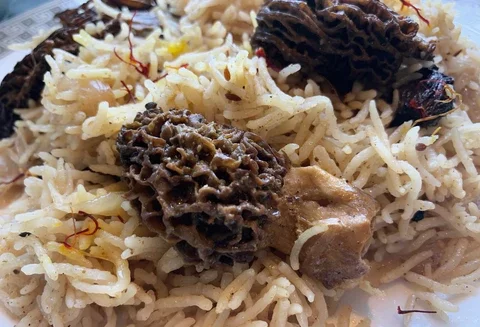
Ever heard of one of the most expensive and extravagant ingredients that grows in the wild? No, not the apricot-hued stigma of a flower, Saffron. We’re talking about the fruiting body of a fungus, which grows in the absolute wild; Morels, fondly known amongst the locals in Kashmir as ‘Kanngitch’ or Gucchi. Like caviars speak of the luxury in French dining, Morels signify the lush status of the Himalayas. These are served in Pulavs or on their own in gravies like Yakhni or Roganjosh. The soft, spongy mushroom is a symbol of social status when served at weddings.  A stunning fact about Morels is that they can’t be cultivated by human hands because the only means to grow these is a moist cold climate in dense forests of the Himalayas, mostly in Kashmir, Himachal Pradesh and Uttarakhand. Morels grow in the wild under oaks, pines and other coniferous trees. Morels are also termed as ‘the herald of summer’ by many chefs and cooks as these grow in the spring season. These are foraged by the locals who start early morning and keep searching till the evening. It is this effort which goes into collecting Morels and the natural production which makes them the most expensive fungus in the world. The price ranges from ₹20,000 to 40,000 per Kg. Fresh Morels are available in the month of March, April and May and later, in the dried form. The honeycomb pits and ridges on the cap and hollow inside are the features which distinguish this fungus from others. These are available in different sizes and colours, varying from black, brown and yellow to cream. The texture is soft and delicate with a hint of meaty-ness. The odour and flavour of Morels is simple and well-defined. Morels have a taste of their own – woodsy, nutty, earthy and umami. The aroma whereas, can’t be penned down or narrated. With lots of health benefits like being anti-oxidant, anti-inflammatory and high in Vitamin D, these find a place in traditional Kashmiri recipes and medicines prescribed by Hakims in earlier times. Mrs. Nalini Moti Sadhu, the Chef/Curator at Matamaal Restaurants, shoulders the responsibility to present the gold that grows in the Himalayan foothills to the world. These rare mushrooms make perfect for a dish which is revolutionary for every Kashmiri and life changing for every diner at Matamaal Restaurant.

No Comments Read More
Kashmiri Recipes

The ‘Sheer’ Pink Delight

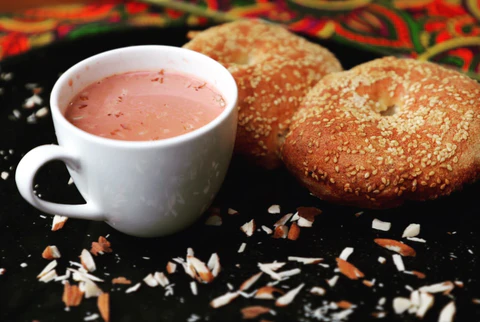
The pristine valley of Kashmir is the living proof of the exchange of culture, cuisine, commodities and even religions amongst the Central Asian countries and eastern countries like China. One such commodity reached the snow-covered streets of Kashmir with the first Islamic ruler of the state – Sultan Sadruddin Shah (Rinchan), who had his religious roots in Kashgar, Turkestan. He brought with him the culture of drinking a salted tea called Noon Chai. The concept of Noon Chai was adapted by the Kashmiri Muslims as a routine – they consumed the tea every morning with baked breads like Kulcha and Taelwor (pictured above). On the other hand, for the Pandits, it was a foreign beverage, which proved to be a symbol of hospitality and luxury. The Pandits also called it Sheer Chai, due to the presence of milk in it. In Pandit households, this tea was enriched with Malai (fresh cream), slivers of almonds and crushed cardamom. It was then served with sweet snacks and freshly-baked breads.  Sheer Chai is traditionally made from the Gunpowder tea leaves, which were shaped like a round pellet in order to retain the bold aroma and lightly-smoky flavour for a long time. These rolled tea leaves were kept on a lit Dan (Kashmiri earthen stove) with little water and salt. It was brewed by adding more water gradually, until the reddish-brown extract called tyoth was released. It was later diluted by adding milk or a mix of milk and water. These days Sodium Bi-Carbonate (Baking Soda) is added to achieve the colour, but originally, Phel (salt from Nubra Valley, Ladakh) was used as it naturally composes bi-carbonates and sulphates of Soda with very little chlorides of Sodium. This pink colour and the immaculate aroma of Sheer Chai are the reasons of it’s immortality over the years.  Nowadays the pink delight attracts gourmets from all around the world and is cherished by a lot of Non-Kashmiris. During its journey as Atkan Chai from Turkestan, to Qaymak Chai (sweetened) in Afghanistan, Gur Gur Chai in Ladakh and finally to be known as Sheer Chai/Noon Chai in Kashmir, the tea has undergone a lot of alterations in terms of flavouring and preparation. But the health benefits like aiding digestion and stimulating the nervous system remained constant.  The most appropriate method of preparation in India is as follows: Ingredients: – Method:

No Comments Read More
Kashmiri Recipes

Kashmiri Kehwa – Preparation

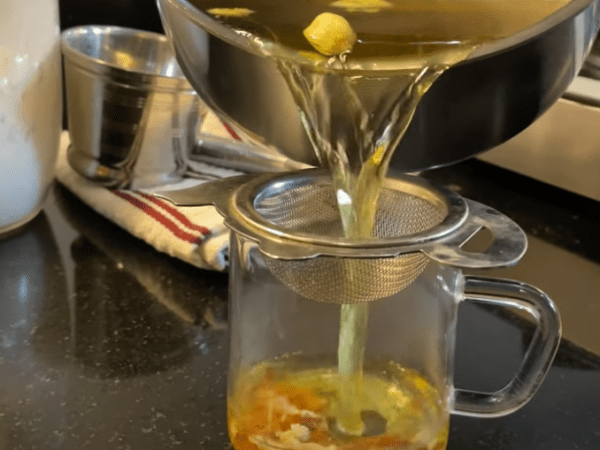
We Kashmiri’s many a times have served our friends / guest with Kehwa which they always relish. Most of them order Kehwa but need help to prepare the same. I took out some time to prepare a video for my friends, and hope this will be helpful for our KP community to share with their friends simply to share with your connects – Click here >>>>   How to Prepare a Kashmiri Kehwa Enjoy your kehwa 🙏🏻 EmailContributor : Anita Koul

No Comments Read More
Kashmiri Recipes

15 Best Kashmiri Recipes | Popular Kashmiri Recipes

Just like its picturesque beauty, the food in Kashmir is heavenly. Here are our 15 best Kashmiri recipes that you can prepare at home as well. Reference : NDTV Food Updated: September 07, 2022 17:40 IST Kashmiri recipes you can prepare at home. Kashmiri Recipes- Just like its picturesque beauty, the food in Kashmir is heavenly. The rich, redolent dishes steeped in traditions have evolved through many generations and are known to be a blend of three different cooking styles – that of Kashmiri Pandits, Muslims and Mughals. This ultimate ceremonial feast in Kashmir is known as ‘Wazwan’and consists of mostly meat-based dishes. The word ‘waz’ means chef and ‘wan’ denotes an array of meat curries and other elaborate dishes. It’s a princely 36-course banquet, with about 15-34 dishes and is popularly referred to as a ‘feast fit for kings’. Lamb meat highlights the menu with some of thepopular dishes like Gushtaba, Rogan Josh, Rista, Tabak Maas, Dhaniwal Korma and Marchwangan Korma.  What are the key ingredients used in Kashmiri food The liberal use of spices like cinnamon, cardamom and cloves adds warmth and comfort to Kashmiri curries. Pungent notes feature in most dishes as Kashmiri’s use  a lot of mustard oil. Kashmiri food also favours the generous use of desi ghee (clarified butter) which makes their food extremely rich. Curd is used as one of the primary ingredients in curries and as a marinade for kebabs to add depth in the flavours. The fragrance of spices like saffron and saunf sets Kashmiri meals apart. The famous Kashmiri red chillies are less pungent than the regular ones but can liven up any regular dish. To give you a taste of authentic Kashmiri food, we’ve hand-picked 15 recipes from our glorious kitchen. These recipes are a beautiful reminder of why we love Kashmiri food so much and will take you on an unforgettable exquisite journey. 1. Mutton Rogan Josh  One of the signature Kashmiri curries, meat is cooked with browned onions, spices and yogurt. The liberal use of Kashmiri red chillies imparts a dramatic red colour to the curry. Rogan josh was originally brought to Kashmir by the Mughals. Absolutely mouth-watering irresistible mutton dish to relish at a dinner party! 2. Yogurt Lamb Curry  Naat Yakhn or yogurt lamb curry is a comforting yogurt based lamb curry cooked in mawal flowers, black and green cardamoms, onion paste and dry mint leaves. Quintessentially Kashmiri! Heart lamb dish with the perfect blend of spices. 3. Paneer Chaman  This traditional Kashmiri dish is every paneer lover’s dream come true. Rich cottage cheese sprinkled with brown and green cardamom is slowly cooked in milk till it’s tender, rich and brown. A hearty and luscious blend of milk, spices and cottage cheese. 4. Kashmiri Saag  The quintessential winter recipe! All you need is 6 ingredients and 20 minutes to cook up this warm, dish on a chilly winter night. Cooked in mustard oil, kashmiri saag can be paired with makki ki roti. Kashmiri Saag 5. Khatte Baingan  This is usually served as a side dish in Kashmiri feasts and ceremonies for it’s pop flavours. It’s essentially golden fried aubergines laced in a thick, spicy and zingy gravy. Kashmiri khatte baingan are a great party dish to prepare. 6. Dum Aloo  A recipe that’s easy and extremely satisfying. Golden fried potatoes are mixed with yogurt and aromatic spice to give an amazing red curry. Delectable potato balls makes for this flavourful vegetarian recipe. 7. Kashmiri Style Mutton Ribs  How do you get the perfect crackling mutton ribs? Cook them in milk and spices, wrap them up in gram flour batter and fry them till they turn golden. Tabakh maaz is an authentic kashmiri ribs curry that is great for a dinner party. 8. Haak  Haak leaves are green in colour and look a lot like spinach. Cook them for 30 minutes with mustard oil and spices for a healthy, filling meal. Haak is a perfect kashmiri saag recipe. 9. Nadroo Yakhni  Yakhni is a popular yogurt based Kashmiri curry and this version is made with crunchy lotus stem. It’s infused with cardamom ginger, bay leaves and balanced out with rich curd. Nadroo yakhni can be you go-to dish during the winters. 10. Chicken Pulao Kashmiri Chicken Pulao is a dish bursting with rich flavors of whole spices, Kashmiri chillies and desi ghee. A delicious rice dish brimming with juicy pieces of chicken along with an aroma which will instantly flatter your taste buds! Serve Kashmiri Chicken Pulao with a bowl of Mirchi Salan or a Raita. 11. Kashmiri Rajma Rajma or kidney beans is a hugely popular dish to prepare in North Indian homes and paired with cooked rice. This rajma  recipe is full of flavour and chilllies that make this a perfect lunch or dinner meal. Delicious and flavourful Rajma to prepare for lunch along with rice. 12. Kashmiri Yakhni Pulao This dish is a Kashmiri recipe made using rice, chicken and a pool of Indian spices. This pulao recipe can be a great option to serve at family gatherings and different kinds of ocassions. 13. Roghani Chicken The roghani chicken comes from the classic rogan josh. Instead of using mutton, this recipe makes use of chicken. 14. Kashmiri-Style Biryani A melting pot of tender mutton pieces, rice, dry fruits and saffron infused with the essence of kewra – biryani is great for treating special guests to a feast. 15. Almond and Saffron Festive Kashmiri Naan Bread  Saffron infused dough topped with almond flakes, cranberries, tutti frutti and dry rose petals is baked until golden brown. Prepare these delicious Kashmiri dishes at hoe and let us know your favourite one in the comments section below.

No Comments Read More
Kashmiri Recipes

Recipe for Kashmiri Dam aloo

To Fry The Potatoes For The Yogurt Mixture For The Curry Instructions Cook The Potatoes Fry The Potatoes Make The Curry Notes You can easily double or triple the recipe for a bigger crowd. Traditionally flour is not added to this curry. But if you are not very comfortable cooking with yogurt, then add a little flour to make sure it doesn’t split while cooking. It also doesn’t alter the taste of the dish. Nutrition Calories: 237kcal | Carbohydrates: 25g | Protein: 3g | Fat: 14g | Saturated Fat: 1g | Sodium: 31mg | Potassium: 545mg | Fiber: 4g | Sugar: 2g | Vitamin A: 400IU | Vitamin C: 23.3mg | Calcium: 45mg | Iron: 1.8mg

No Comments Read More
error: Content is protected !!

Sign In

Register

Reset Password

Please enter your username or email address, you will receive a link to create a new password via email.