Culture Religious

Shivratri (Herath) Quiz

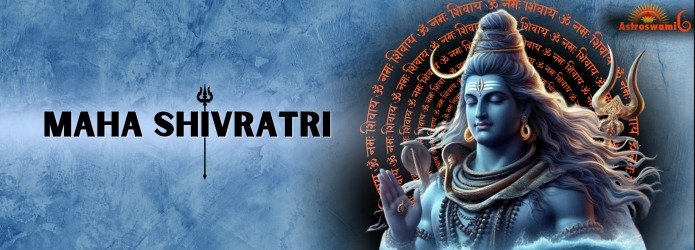
Shivratri (Herath): A Sacred Journey into Kashmiri Shaivism Herath, the Kashmiri Pandit observance of Maha Shivratri, stands as the pinnacle of religious devotion in the community’s calendar, embodying the profound Tantric theology of Kashmir Shaivism. Known as “Har-Ratri” or the Night of Hara (Lord Shiva), this festival transcends mere celebration to become a 15-day spiritual immersion culminating in the intricate Vatuk Puja—a ritual unique to Kashmiri tradition that invokes Shiva as the child-like Vatuka Bhairava alongside Parvati. The Religious Core of Herath
At its heart lies the Trika system of Kashmir Shaivism, where Shiva manifests as pure consciousness (Chit) and the universe as his dynamic Shakti. The Vatuk Puja room (Vatuk-Kuth) transforms the home into a cosmic mandala, with multiple Kalash pitchers symbolizing the divine wedding procession—Shiva’s pot filled with soaked walnuts representing the Vedas, flanked by Parvati and celestial baraatis (deities). This Tantric worship, guided by a priest yet performed by the family head, spans 3-4 hours of precise vidhi, from Jeévadán offerings to Doop-deep sequences, culminating in midnight prasad to break the sacred fast. Why This Knowledge Matters
This quiz delves exclusively into doctrinal depths: the symbolism of Jwala-linga on trayodashi, the 15-step Doop-deep Puja, and the metaphysical union of Shiva-Shakti that defines Kashmiri spiritual identity. Far beyond social customs, it equips youth with the religious literacy to preserve Trika heritage amid modern challenges—echoing your KPonline mission to foster Shaivite awareness.

No Comments Read More
Culture Good Read Religious

History of Kashmiri Pandits

KPonline Quiz Series: Celebrating Kashmiri Pandit Heritage KPonline serves as a Digital Homeland for Kashmiri Pandits, offering an innovative platform that bridges the community with their rich cultural heritage through engaging educational content. The platform’s Quiz Series represents a dedicated initiative to preserve, promote, and share the profound heritage, culture, and religious traditions of the Kashmiri Pandit community. About the Quiz Series The KPonline Quiz Series is an ongoing educational initiative designed to inform and engage participants about the rich Kashmiri Pandit heritage and culture. This interactive format serves multiple purposes: Today’s Focus: History of Kashmiri Pandits Today’s quiz centers on Kashmir History, exploring the vast and complex historical narrative of the Kashmir Valley and its significance to the Kashmiri Pandit community. Kashmir’s history encompasses: Historical Significance Kashmir has been recognized as the land of Rishis and Gurus, with traditions dating back over 5000+ years. The region’s historical importance includes: Cultural Heritage Context The quiz series emphasizes Kashmir’s role as a multilayered tapestry of culture, where Kashmiri Pandits have maintained their distinct identity through: Educational Impact Through this quiz series, KPonline continues its mission to serve as a digital homeland where Kashmiri Pandits can: The Kashmir History quiz represents just one facet of the comprehensive cultural education that KPonline provides, ensuring that the rich Kashmiri Pandit heritage remains alive and accessible to present and future generations

No Comments Read More
Culture Good Read Religious Saints

Nand Lal Ji – Bub

Nand Lal Ji of Kashmir – The Saintly Presence of Nand Bub Introduction Among the pantheon of saints and spiritual guides of Kashmir, Nand Lal Ji, popularly revered as Nand Bub, holds a distinct and beloved place. Born in the heart of the Kashmir Valley during a time of socio-religious transformation, Nand Lal Ji emerged as a beacon of divine wisdom, simplicity, and spiritual purity. His teachings, life, and legacy continue to inspire generations of Kashmiris—especially within the Kashmiri Pandit community. Birth and Early Life Nand Lal Ji was born in the 19th century (exact date uncertain) in Bijbehara, a town in South Kashmir, into a devout Kashmiri Pandit family. His early life was marked by extraordinary signs of devotion and spiritual curiosity. From a young age, he showed a deep disinterest in material pursuits and was drawn instead to meditation, chanting, and the study of sacred texts. Despite coming from a Brahmin family, Nand Lal Ji’s behavior was rooted in universal compassion and humility. He renounced worldly attachments early in life and embraced the path of a mystic, often retreating into deep contemplation and silence. Spiritual Journey Nand Bub’s spiritual life was one of bhakti (devotion) and vairagya (renunciation). He had no formal guru in the traditional sense but is believed to have attained enlightenment through inner tapasya (spiritual austerity) and divine grace. He was known to have spent long hours in meditation under the shade of Chinar trees and along the banks of the Jhelum River. His utterances and teachings were simple yet profound, often composed in the local Kashmiri language, and resonated deeply with the ordinary villagers. His style of teaching was neither preachy nor institutional—it was lived. His presence was the sermon. Life and Teachings Though not a prolific writer, Nand Lal Ji’s legacy lives on through oral tradition—in stories, hymns, and folk songs passed from one generation to the next. His sayings reflected a deep understanding of Shaivism, Advaita Vedanta, and the Bhakti movement. Some of his core teachings include: He advocated non-dualism (advaita) in a deeply personal and devotional way, much like other Kashmiri mystics such as Lalleshwari (Lal Ded) and Rupa Bhawani. Miracles and Reverence Many locals believe that Nand Bub performed miracles, though he never claimed them. These include healing the sick, manifesting food for the hungry, and calming disputes with a mere glance. His mere presence brought solace to people across religious lines—Muslims and Hindus alike came to him for blessings. His cottage or “kutir” became a center of spiritual magnetism. Devotees would flock there for guidance, healing, or simply to sit in silence near him. It was said that even in silence, his energy was transformative. Final Days and Legacy Nand Lal Ji left his body in early 20th century, though the exact year is uncertain. His samadhi (final resting place) is venerated by devotees, especially during his urs or annual remembrance day, which is celebrated with bhajans, havan, and community meals. His name is still invoked lovingly as “Nand Bub”, a term of endearment and spiritual kinship. In Kashmiri homes, especially those preserving Shaiva and Bhakti traditions, stories of Nand Bub are still narrated to children as moral and spiritual guidance. Nand Bub in the Post-Exodus Era After the 1990 exodus of Kashmiri Pandits from the Valley, the memory of saints like Nand Bub became even more vital. He represents the spiritual resilience and cultural roots of a displaced community. Even outside Kashmir—in Jammu, Delhi, or diaspora communities around the world—Nand Bub is remembered with deep reverence. Temples and shrines in his name have been built or revived in these areas, and his teachings are shared through satsangs and Kashmiri cultural programs. Conclusion Nand Lal Ji or Nand Bub was more than a mystic—he was a living embodiment of divine love, simplicity, and Kashmiri spirituality. In an age of turmoil and transition, his life reminds us of the enduring power of inner truth and compassion. He stands as a spiritual pillar of the Kashmiri Pandit identity—silent, strong, and luminous. Suggested Reading & Resources

No Comments Read More
Culture How To Religious

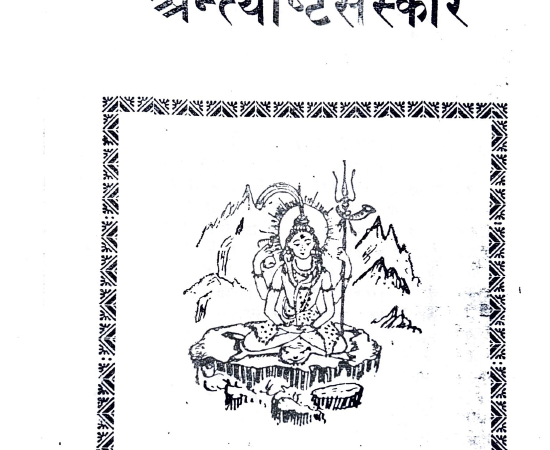
Antyeshti Sanskar

Antyeshti Sanskar, also known as the last rites or funeral rites, is a significant Hindu ritual performed after a person’s death. It is one of the 16 Hindu samskaras, or sacraments, and is considered the final ritual in a person’s life. The purpose of Antyeshti Sanskar is to guide the departed soul towards liberation (moksha) and to provide comfort to the grieving family.  Key aspects of Antyeshti Sanskar:  Significance: Antyeshti Sanskar is a profound ritual that acknowledges the end of a life and the beginning of a new journey for the soul. It’s a time for remembrance, reflection, and spiritual cleansing. The ceremonies help the family and community come to terms with the loss and find peace.  You can download from the link below : OM SHANTI

No Comments Read More
Culture Good Read Religious

Bhagwad Geeta

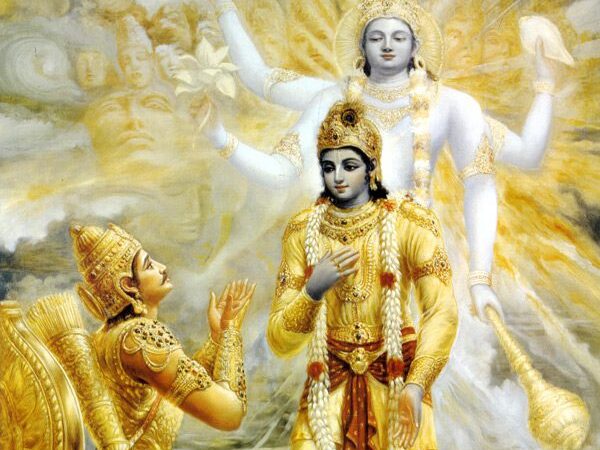
The Bhagavad Gita , often referred to as the Gita, is a 700-verse Hindu scripture, which is part of the epic Mahabharata. It forms the chapters 23–40 of book 6 of the Mahabharata called the Bhishma Parva. The work is dated to the second half of the first millennium BCE. Typical of the Hindu synthesis, it is considered one of the holy scriptures of Hinduism. The Bhagavad Gita is set in a narrative framework of dialogue between the Pandava prince Arjuna and his charioteer guide Krishna, an avatar of Lord Vishnu. At the start of the Kurukshetra War between the Pandavas and the Kauravas, Arjuna despairs thinking about the violence and death the war will cause in the battle against his kin and becomes emotionally preoccupied with a dilemma. Wondering if he should renounce the war, Arjuna seeks the counsel of Krishna, whose answers and discourse constitute the Bhagavad Gita. Krishna counsels Arjuna to “fulfil his Kshatriya (warrior) duty” for the upholdment of dharma. The Krishna–Arjuna dialogue covers a broad range of spiritual topics, touching upon moral and ethical dilemmas, and philosophical issues that go far beyond the war that Arjuna faces.The setting of the text in a battlefield has been interpreted as an allegory for the struggles of human life. Summarising the Upanishadic conceptions of God, the Gita posits the existence of an individual self (Atman) and the supreme self (Brahman) within each being. The dialogue between the prince and his charioteer has been interpreted as a metaphor for an immortal dialogue between the human self and God. Commentators of Vedanta read varying notions in the Bhagavad Gita about the relationship between the Atman (individual Self) and Brahman (supreme Self); Advaita Vedanta affirms on the non-dualism of Atman and Brahman, Vishishtadvaita asserts qualified non-dualism with Atman and Brahman being related but different in certain aspects, while Dvaita Vedanta declares the complete duality of Atman and Brahman. As per Hindu mythology, the Bhagavad Gita was written by the god Ganesha, as told to him by the sage Veda Vyasa. The Bhagavad Gita presents a synthesis of various Hindu ideas about dharma, theistic bhakti, and the yogic ideal of moksha. The text covers Jñāna, Bhakti, Karma, and Rāja yogas, while incorporating ideas from the Samkhya-Yoga philosophy. The Bhagavad Gita is one of the most revered Hindu texts and has a unique pan-Hindu influence. Numerous commentaries have been written on the Bhagavad Gita with differing views on its essentials. Note : The content posted belongs to respective publishers / authors. These are purely for Personal use and should not be used for any commercial purposes. Download

No Comments Read More
Good Read Religious

Puran’s – A collection of books

Puran’s Read all about Puran’s at one place. Thousands of pages from Rare books summarised for you. Agni Puran Bhagwat Puran Bhavishya Puran Brahma Puran Garuda Puran Kurma Puran  Ling Puran Markandya Puran  Narad Puran Padma Puran Shiv Puran Skand Puran Brahm Vaivatra Puran Vaman Puran Varah Puran Vishnu Puran Narsimha Puran Rare Book on Puran’s Click on the Names to open the PDF downloadable file. Happy Reading !

No Comments Read More
error: Content is protected !!

Sign In

Register

Reset Password

Please enter your username or email address, you will receive a link to create a new password via email.